
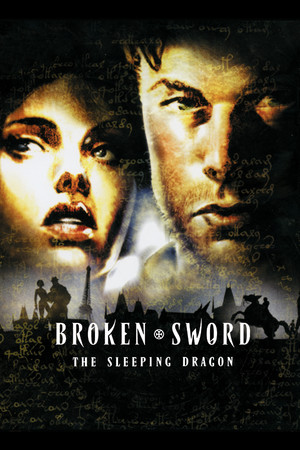
Broken Sword 3 - the Sleeping Dragon (2003)
2003/Revolution Software
Broken Sword: The Sleeping Dragon is an adventure game released on Windows, Xbox, and PlayStation 2 in November 2003. It is the third installment in the Broken Sword series, released six years after the previous instalment, The Smoking Mirror. The Sleeping Dragon moved the series to 3D graphics, and is the only game in the series not to use a point and click interface. The player assumes the role of George Stobbart, an American patent lawyer who flies to the Congo to write a patent for a scientist who claims to have found a source of unlimited energy. The idea was first discussed in 2000.
Wikipedia · CC BY-SA 4.0 · shortened
About this game
Broken Sword: The Sleeping Dragon is an adventure game released on Windows, Xbox, and PlayStation 2 in November 2003. It is the third installment in the Broken Sword series, released six years after the previous instalment, The Smoking Mirror. The Sleeping Dragon moved the series to 3D graphics, and is the only game in the series not to use a point and click interface. The player assumes the role of George Stobbart, an American patent lawyer who flies to the Congo to write a patent for a scientist who claims to have found a source of unlimited energy. The idea was first discussed in 2000. To make the game feel like a film, Revolution brought in a cinematic consultant, Bob Keen, who made sure the game conveyed emotions and atmosphere appropriate for each scene. The game was originally planned to have similar cartoon-quality visuals as its prequels, but the developers decided to aim at a style similar to Japanese animated films. Unlike the first two Broken Sword games, which used the Virtual Theatre engine, The Sleeping Dragon was built with the RenderWare engine. The game's music was composed by Ben McCullough, and Rolf Saxon returned to voice George Stobbart. The game has received highly positive reviews. Critics praised the game's story, writing, humour, cinematic feel, and graphics. The game's music was also lauded. Criticism focused primarily on the control interface and repetitive puzzles. According to Charles Cecil, the game sold a few hundred thousand copies.
Text from the Wikipedia article “Broken Sword: The Sleeping Dragon” (en.wikipedia.org), shortened; available under CC BY-SA 4.0.
Trailer and screenshots
Image credits
- Cover: Steam · Steam Web API Terms of Use; artwork (c) its publisher
- Banner: Steam · Steam Web API Terms of Use; artwork (c) its publisher
- Screenshots (7): IGDB.com · Twitch Developer Services Agreement (IGDB); artwork (c) its publisher
Game data provided by IGDB.com