Vampire: The Masquerade - Bloodlines
2004/Troika Games
Vampire: The Masquerade – Bloodlines is a 2004 action role-playing video game developed by Troika Games and published by Activision for Microsoft Windows. Set in White Wolf Publishing's World of Darkness, the game is based on White Wolf's role-playing game Vampire: The Masquerade and follows a human who is killed and revived as a fledgling vampire. The game depicts the fledgling's journey through early 21st-century Los Angeles to uncover the truth behind a recently discovered relic that heralds the end of all vampires. Bloodlines is presented from first-person and third-person perspectives.
Wikipedia · CC BY-SA 4.0 · shortened
About this game
Vampire: The Masquerade – Bloodlines is a 2004 action role-playing video game developed by Troika Games and published by Activision for Microsoft Windows. Set in White Wolf Publishing's World of Darkness, the game is based on White Wolf's role-playing game Vampire: The Masquerade and follows a human who is killed and revived as a fledgling vampire. The game depicts the fledgling's journey through early 21st-century Los Angeles to uncover the truth behind a recently discovered relic that heralds the end of all vampires. Bloodlines is presented from first-person and third-person perspectives. The player assigns their character to one of several vampire clans—each with unique powers—customizes their combat and dialog abilities, and progresses through Bloodlines using violent and nonviolent methods. The selection of clan affects how the player is perceived in the game world and which powers and abilities they possess; this opens up different avenues of exploration and methods of interacting with or manipulating other characters. The player can complete side missions away from the primary storyline by moving freely between the available hubs: Santa Monica, Hollywood, downtown Los Angeles, and Chinatown. Troika's 32-member team began developing Bloodlines in November 2001 as an indirect sequel to the previous year's Vampire: The Masquerade – Redemption. Troika used Valve's Source game engine, then in development, which was used for Valve's own Half-Life 2. The game's production was turbulent, as the design's scope exceeded the available resources, and the team was left without a producer for nearly a year until Activision appointed David Mullich to the role, where he found designs and levels unfinished or abandoned. After three years in development with no end in sight and running over budget, Activision set a strict deadline for completion, and Bloodlines was released incomplete in November 2004. Released in competition with Half-Life 2 and several other titles, Bloodlines sold fewer than 80,000 copies during its initial release, which was considered a poor performance. It received generally positive reviews from contemporary critics, who praised the game's writing and the scale of choice, although they criticized its technical flaws. It was Troika Games's last production before its failure in early 2005, when it could not secure additional projects. The game has a cult following as a rarely replicated example of gameplay and narrative, and modern reception recognizes it as a flawed masterpiece. Since its original release, Bloodlines received post-release support from fans, supplying unofficial fixes and re-adding unused content. A sequel, Vampire: The Masquerade – Bloodlines 2, was released in 2025.
Text from the Wikipedia article “Vampire: The Masquerade – Bloodlines” (en.wikipedia.org), shortened; available under CC BY-SA 4.0.
Trailer and screenshots
Image credits
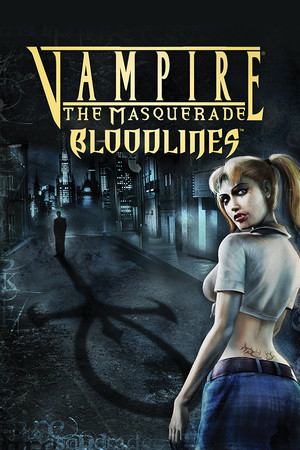
- Cover: Steam · Steam Web API Terms of Use; artwork (c) its publisher
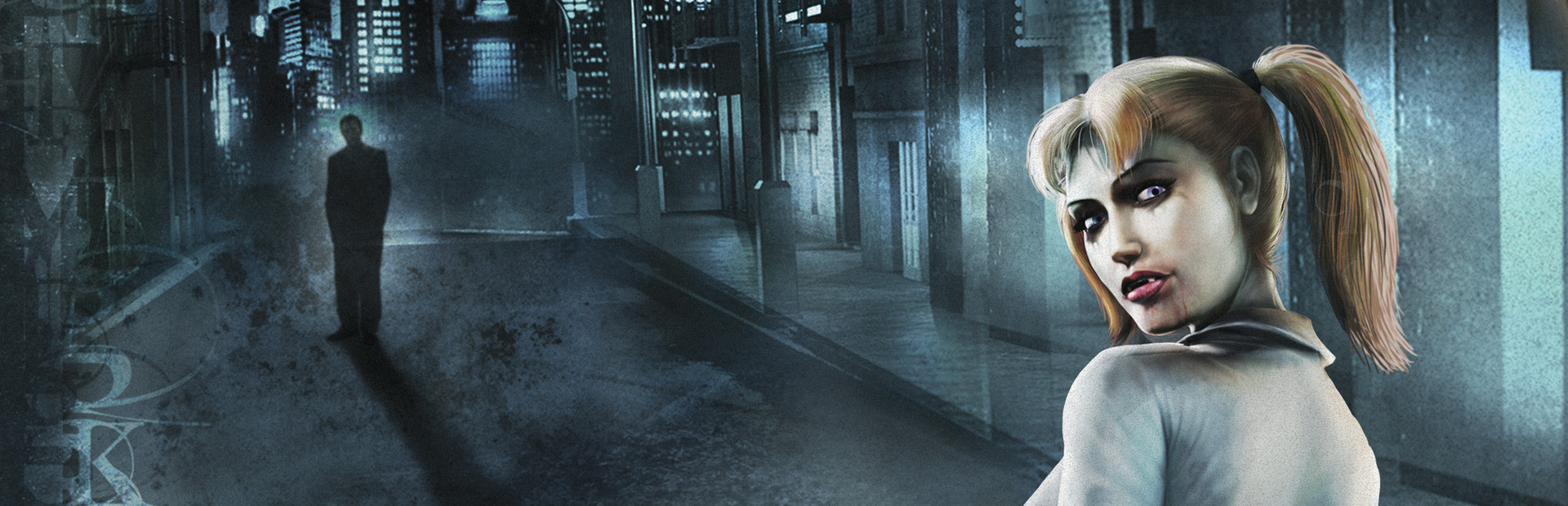
- Banner: Steam · Steam Web API Terms of Use; artwork (c) its publisher
- Screenshots (5): IGDB.com · Twitch Developer Services Agreement (IGDB); artwork (c) its publisher
Game data provided by IGDB.com